Light
Dark
System
Log In
Loading...
Compare / EASA/
Incorporated Amendments
/
Compare & Highlight Differences
CS ADR-DSN.H.430 Transitional surface
Available versions for ERULES-1963177438-2228
ED Decision 2014/013/R
found in: Aerodromes (139/2014) Part-ADR.AR Part-ADR.OR Part-ADR.OPS CS-ADR-DSN CS-HPT-DSN (Dec 2024)
From
Easy Access Rules ... (Mar 2026)
Aerodromes (139/20... (Dec 2024)
Aerodromes (139/20... (Jun 2023)
From section
To
Easy Access Rules ... (Mar 2026)
Aerodromes (139/20... (Dec 2024)
Aerodromes (139/20... (Jun 2023)
To section
No visible text changes
0 removals
0 additions
View
Rich
Plain
Sync scrolling
Share
From
Show details
Hide details
To
Show details
Hide details
Version
Show side by side
CS ADR-DSN.H.430 Transitional surface ED Decision 2014/013/R (a) Applicability: The purpose of the transitional surface is to define the limit of the area available for buildings, other structures or natural obstructions, such as trees. (b) Description: A complex surface along the side of the strip and part of the side of the approach surface that slopes upwards and outwards to the inner horizontal surface. (c) Characteristics: The limits of a transitional surface should comprise: (1) a lower edge beginning at the intersection of the side of the approach surface with the inner horizontal surface and extending down the side of the approach surface to the inner edge of the approach surface and from there along the length of the strip parallel to the runway centre line; and (2) an upper edge located in the plane of the inner horizontal surface. (d) The elevation of a point on the lower edge should be: (1) along the side of the approach surface — equal to the elevation of the approach surface at that point; and (2) along the strip — equal to the elevation of the nearest point on the centre line of the runway or its extension. (e) The slope of the transitional surface should be measured in a vertical plane at right angles to the centre line of the runway. 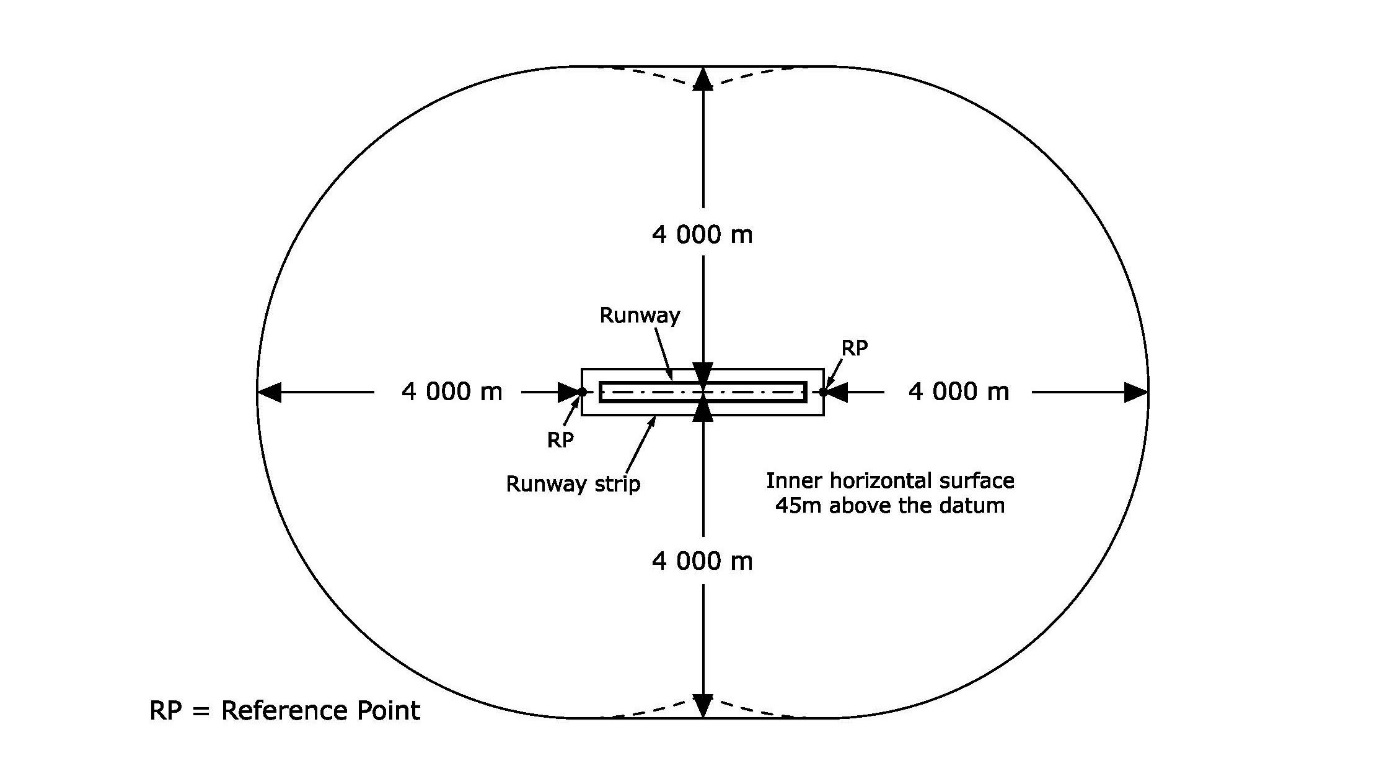 Figure H-1. Inner horizontal surface where the runway is code 4 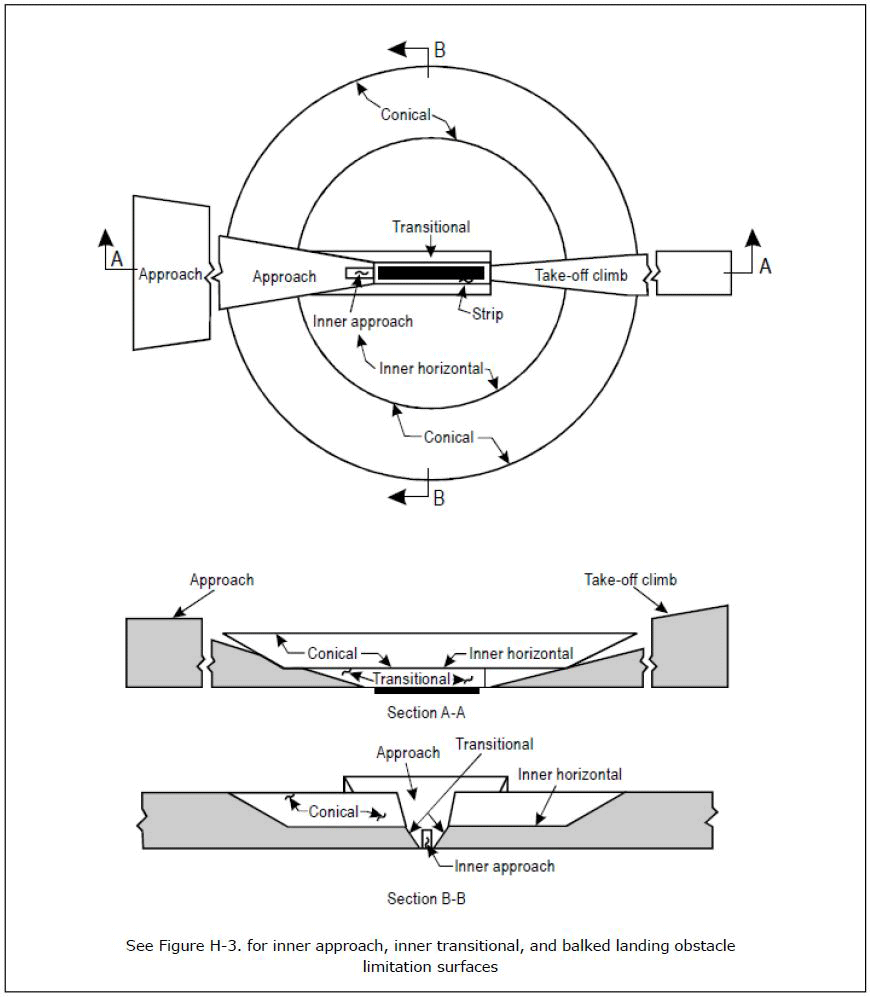 Figure H-2. Obstacle limitation surfaces 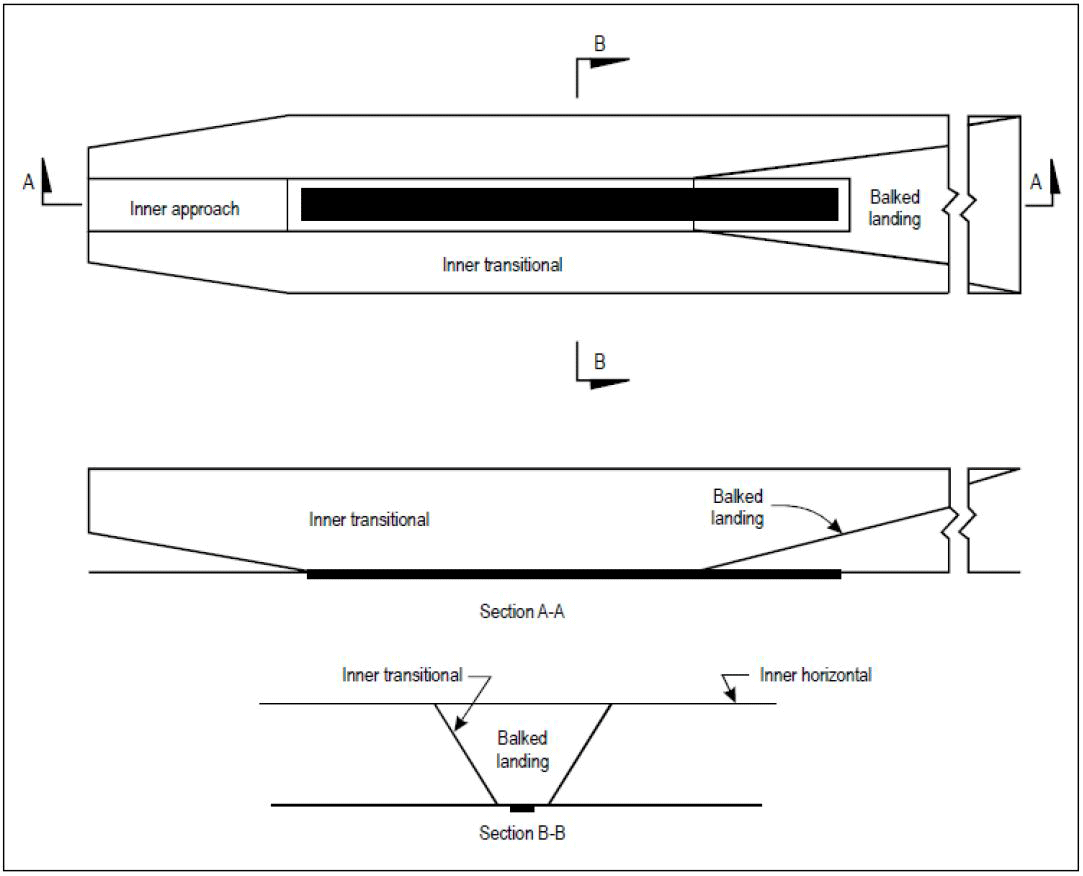 Figure H-3. Inner approach, inner transitional, and balked landing obstacle limitation surfaces
CS ADR-DSN.H.430 Transitional surface ED Decision 2014/013/R (a) Applicability: The purpose of the transitional surface is to define the limit of the area available for buildings, other structures or natural obstructions, such as trees. (b) Description: A complex surface along the side of the strip and part of the side of the approach surface that slopes upwards and outwards to the inner horizontal surface. (c) Characteristics: The limits of a transitional surface should comprise: (1) a lower edge beginning at the intersection of the side of the approach surface with the inner horizontal surface and extending down the side of the approach surface to the inner edge of the approach surface and from there along the length of the strip parallel to the runway centre line; and (2) an upper edge located in the plane of the inner horizontal surface. (d) The elevation of a point on the lower edge should be: (1) along the side of the approach surface — equal to the elevation of the approach surface at that point; and (2) along the strip — equal to the elevation of the nearest point on the centre line of the runway or its extension. (e) The slope of the transitional surface should be measured in a vertical plane at right angles to the centre line of the runway. 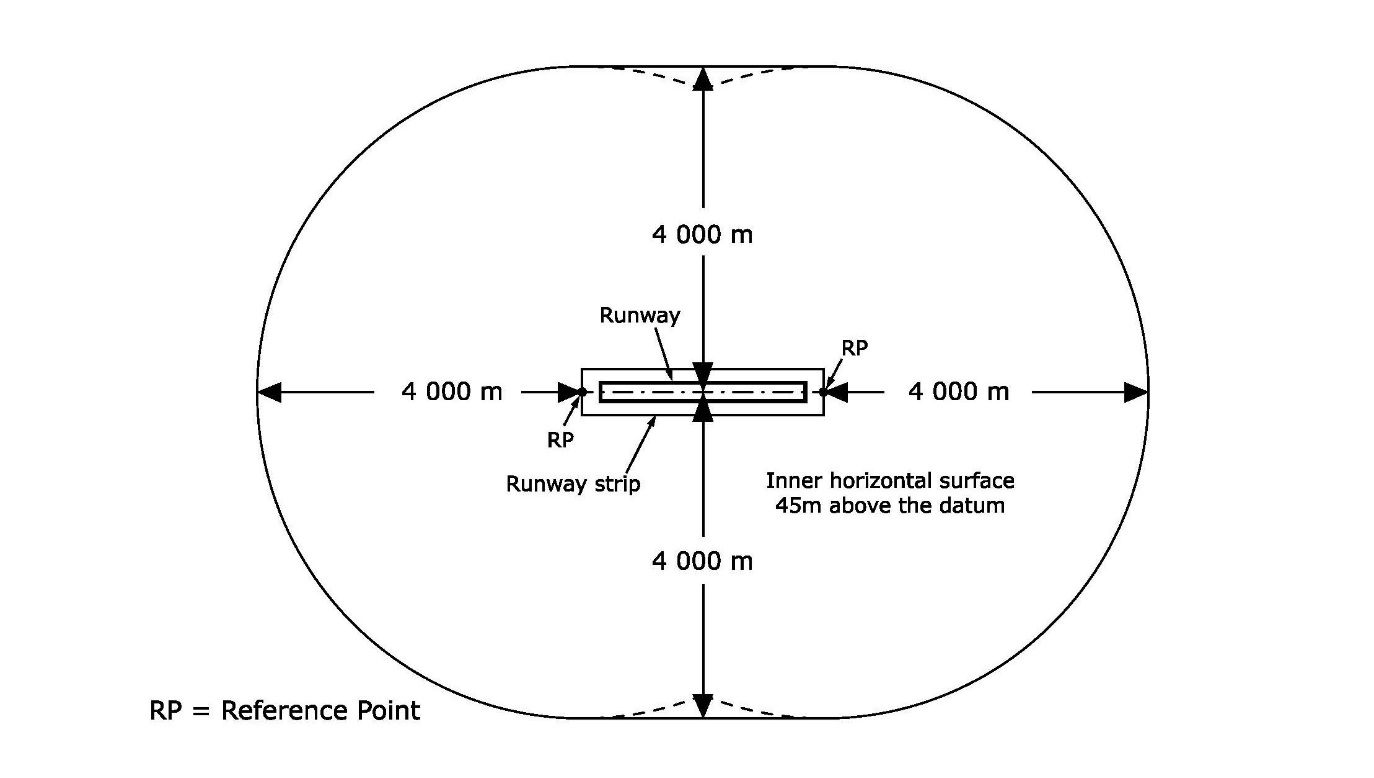 Figure H-1. Inner horizontal surface where the runway is code 4 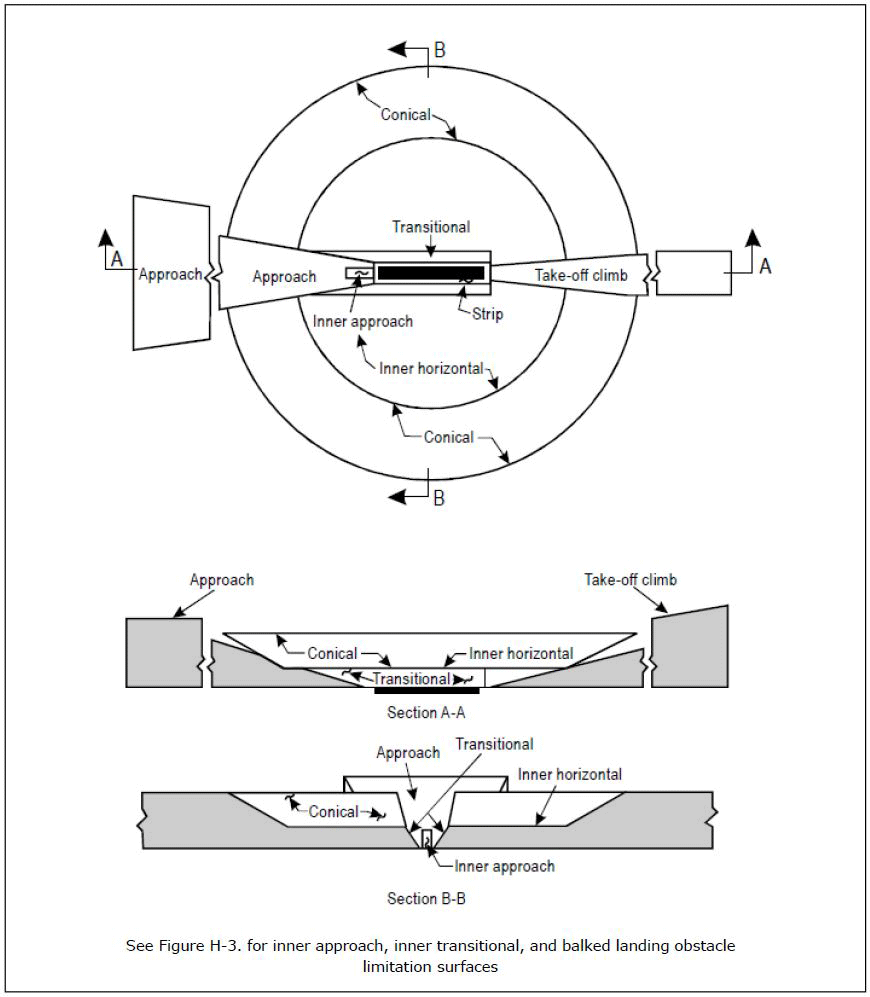 Figure H-2. Obstacle limitation surfaces 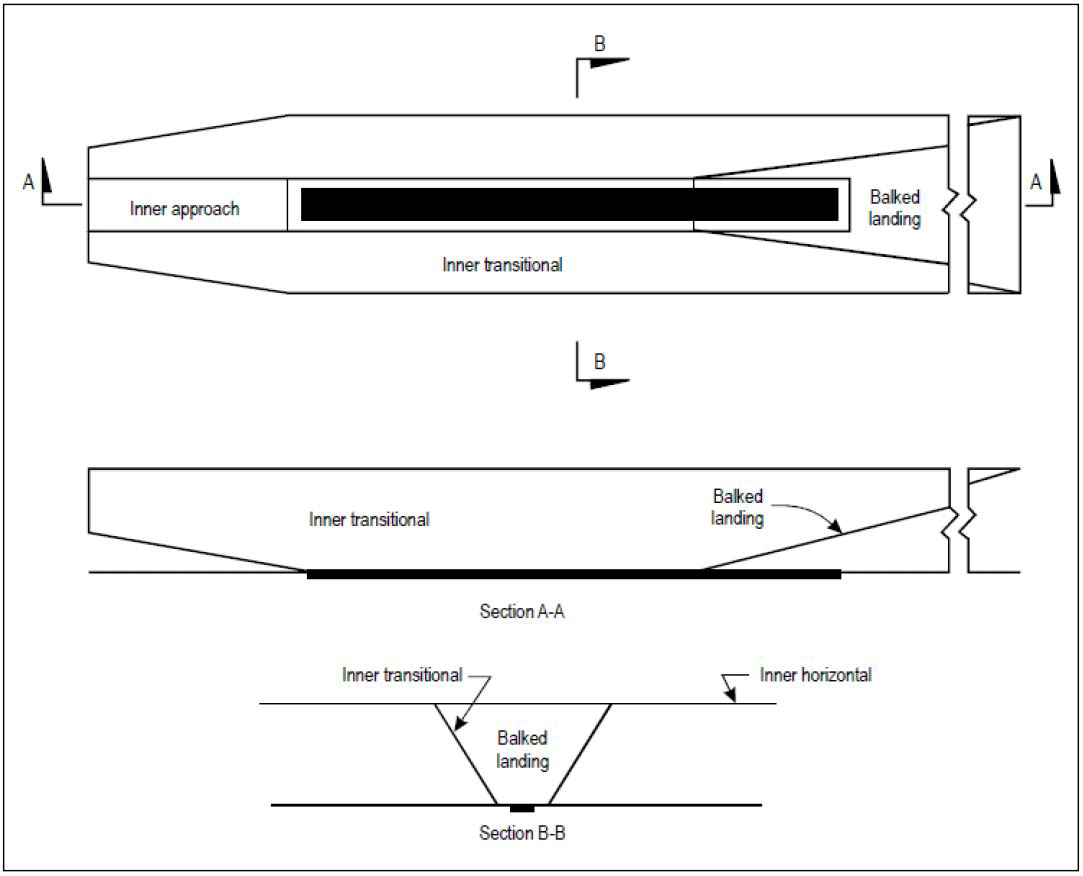 Figure H-3. Inner approach, inner transitional, and balked landing obstacle limitation surfaces
#### CS ADR-DSN.H.430 Transitional surface *ED Decision 2014/013/R* (a) Applicability: The purpose of the transitional surface is to define the limit of the area available for buildings, other structures or natural obstructions, such as trees. (b) Description: A complex surface along the side of the strip and part of the side of the approach surface that slopes upwards and outwards to the inner horizontal surface. (c) Characteristics: The limits of a transitional surface should comprise: (1) a lower edge beginning at the intersection of the side of the approach surface with the inner horizontal surface and extending down the side of the approach surface to the inner edge of the approach surface and from there along the length of the strip parallel to the runway centre line; and (2) an upper edge located in the plane of the inner horizontal surface. (d) The elevation of a point on the lower edge should be: (1) along the side of the approach surface — equal to the elevation of the approach surface at that point; and (2) along the strip — equal to the elevation of the nearest point on the centre line of the runway or its extension. (e) The slope of the transitional surface should be measured in a vertical plane at right angles to the centre line of the runway. 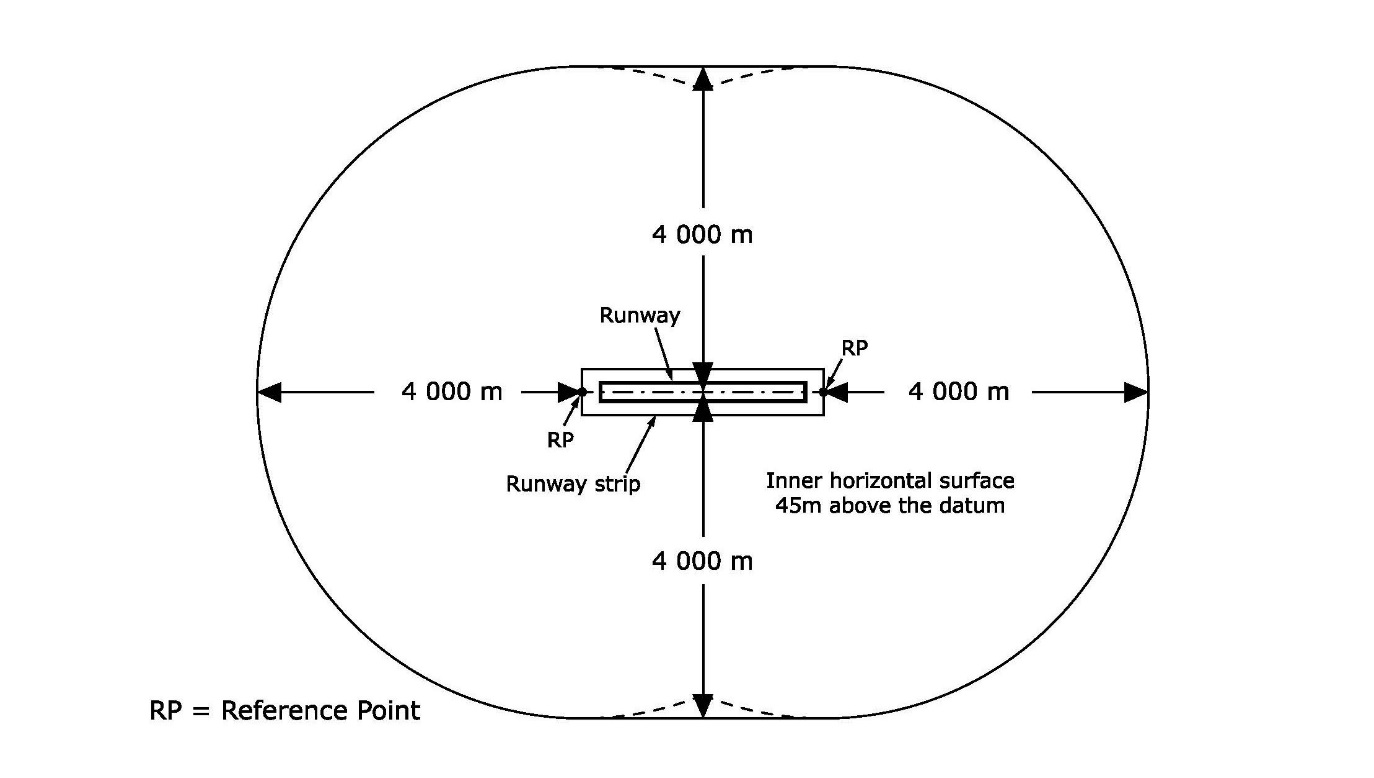 ***Figure H-1. Inner horizontal surface where the runway is code 4*** 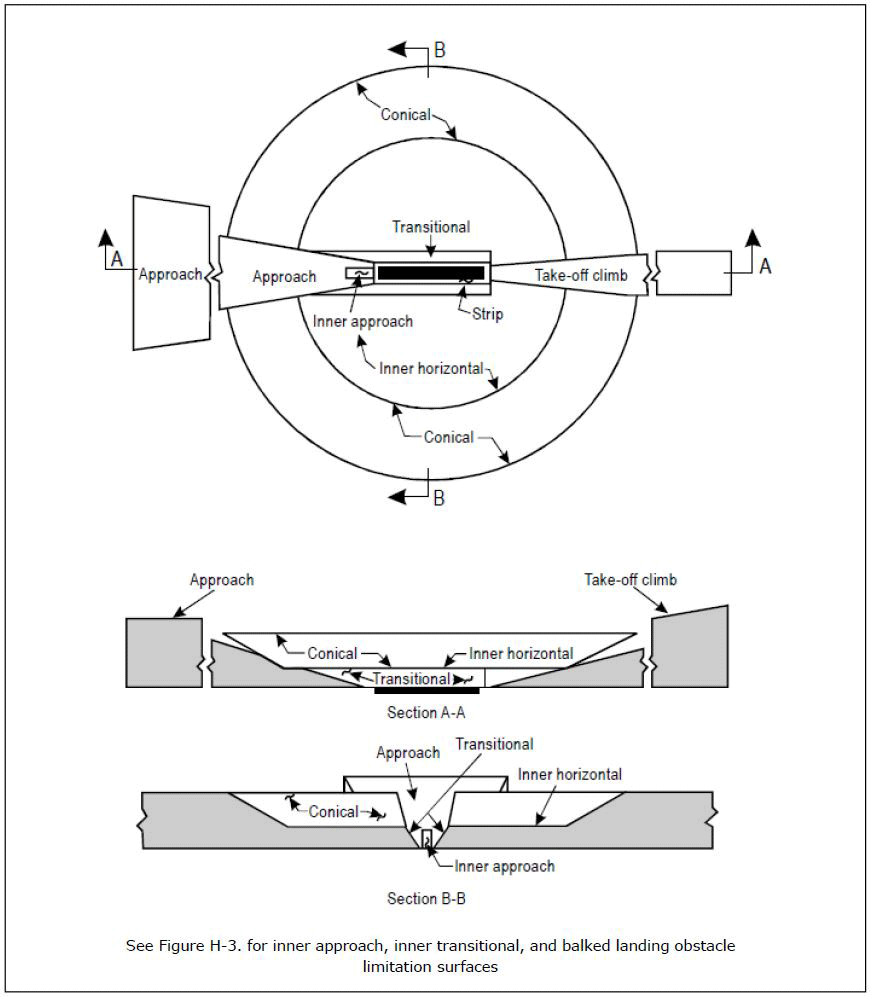 ***Figure H-2. Obstacle limitation surfaces*** 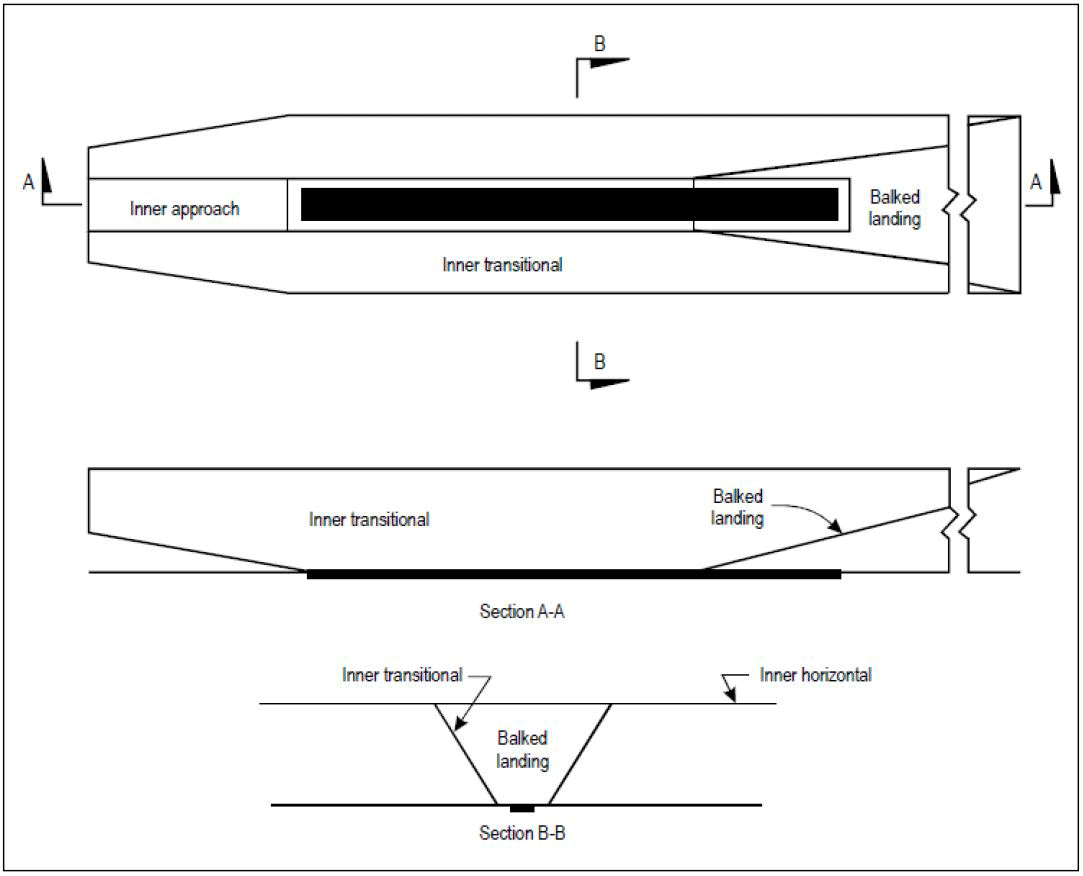 ***Figure H-3. Inner approach, inner transitional, and balked landing obstacle limitation surfaces***