Light
Dark
System
Log In
Loading...
Compare / EASA/
Incorporated Amendments
/
Compare & Highlight Differences
CS HPT-DSN.B.130 Safety areas
Available versions for ERULES-1963177438-12331
ED Decision 2019/012/R
found in: Aerodromes (139/2014) Part-ADR.AR Part-ADR.OR Part-ADR.OPS CS-ADR-DSN CS-HPT-DSN (Jun 2023)
From
Easy Access Rules ... (Mar 2026)
Aerodromes (139/20... (Dec 2024)
Aerodromes (139/20... (Jun 2023)
From section
To
Easy Access Rules ... (Mar 2026)
Aerodromes (139/20... (Dec 2024)
Aerodromes (139/20... (Jun 2023)
To section
No visible text changes
0 removals
0 additions
View
Rich
Plain
Sync scrolling
Share
From
Show details
Hide details
To
Show details
Hide details
Version
Show side by side
CS HPT-DSN.B.130 Safety areas ED Decision 2019/012/R (a) General: A FATO should be surrounded by a safety area which need not be solid. (b) Characteristics: (1) A safety area surrounding a FATO should extend outwards from the periphery of the FATO for a distance of at least 3 m or 0.25 D, whichever is greater, of the largest helicopter the FATO is intended to serve and: (i) each external side of the safety area should be at least 2 D where the FATO is quadrilateral (see Figure B-1); or (ii) the outer diameter of the safety area should be at least 2 D where the FATO is circular. (2) The surface of the safety area should be treated to prevent flying debris caused by rotor downwash. (3) When solid, the surface of the safety area abutting the FATO should be continuous with the FATO. (4) When solid, the surface of a safety area should not project above a plane having an upward slope of 4 per cent, commencing at the periphery of the FATO. (5) From the outer edge of the safety area to a distance of 10 m there should be a protected side slope rising at 45 degrees. (6) The protected side slope should not be penetrated by obstacles, except that when obstacles are located to one side of the FATO only, they may be permitted to penetrate the side slope surface. (7) No mobile object should be permitted on a safety area during helicopter operations. (8) No fixed object should be permitted above the plane of the FATO on a safety area, except for frangible objects which, because of their function, must be located on the area. (9) Objects whose function requires them to be located on the safety area should not: (i) if located at a distance of less than 0.75 D from the centre of the FATO, penetrate a plane at a height of 5 cm above the plane of the FATO; and (ii) if located at a distance of 0.75 D or more from the centre of the FATO, penetrate a plane originating at a height of 25 cm above the plane of the FATO and sloping upwards and outwards at a gradient of 5 per cent. 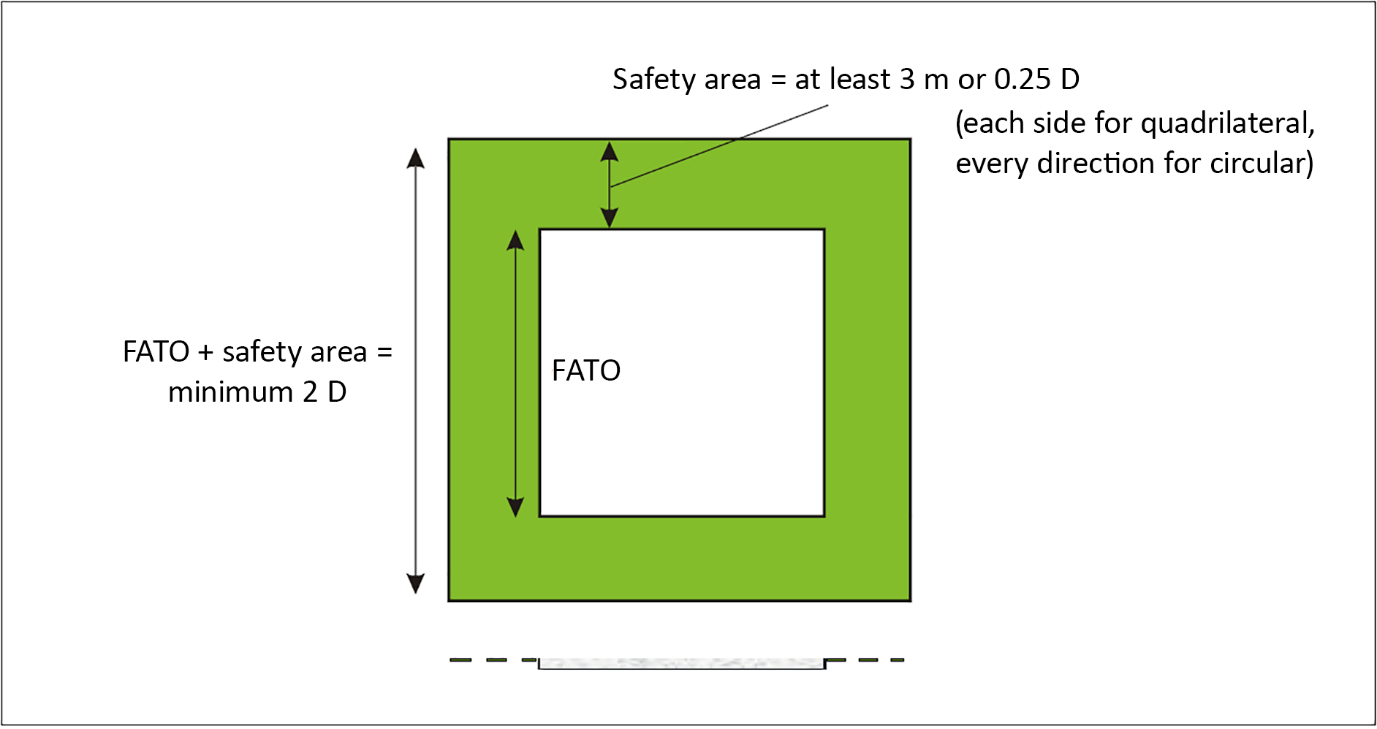 Figure B-1. FATO and associated safety area
CS HPT-DSN.B.130 Safety areas ED Decision 2019/012/R (a) General: A FATO should be surrounded by a safety area which need not be solid. (b) Characteristics: (1) A safety area surrounding a FATO should extend outwards from the periphery of the FATO for a distance of at least 3 m or 0.25 D, whichever is greater, of the largest helicopter the FATO is intended to serve and: (i) each external side of the safety area should be at least 2 D where the FATO is quadrilateral (see Figure B-1); or (ii) the outer diameter of the safety area should be at least 2 D where the FATO is circular. (2) The surface of the safety area should be treated to prevent flying debris caused by rotor downwash. (3) When solid, the surface of the safety area abutting the FATO should be continuous with the FATO. (4) When solid, the surface of a safety area should not project above a plane having an upward slope of 4 per cent, commencing at the periphery of the FATO. (5) From the outer edge of the safety area to a distance of 10 m there should be a protected side slope rising at 45 degrees. (6) The protected side slope should not be penetrated by obstacles, except that when obstacles are located to one side of the FATO only, they may be permitted to penetrate the side slope surface. (7) No mobile object should be permitted on a safety area during helicopter operations. (8) No fixed object should be permitted above the plane of the FATO on a safety area, except for frangible objects which, because of their function, must be located on the area. (9) Objects whose function requires them to be located on the safety area should not: (i) if located at a distance of less than 0.75 D from the centre of the FATO, penetrate a plane at a height of 5 cm above the plane of the FATO; and (ii) if located at a distance of 0.75 D or more from the centre of the FATO, penetrate a plane originating at a height of 25 cm above the plane of the FATO and sloping upwards and outwards at a gradient of 5 per cent. 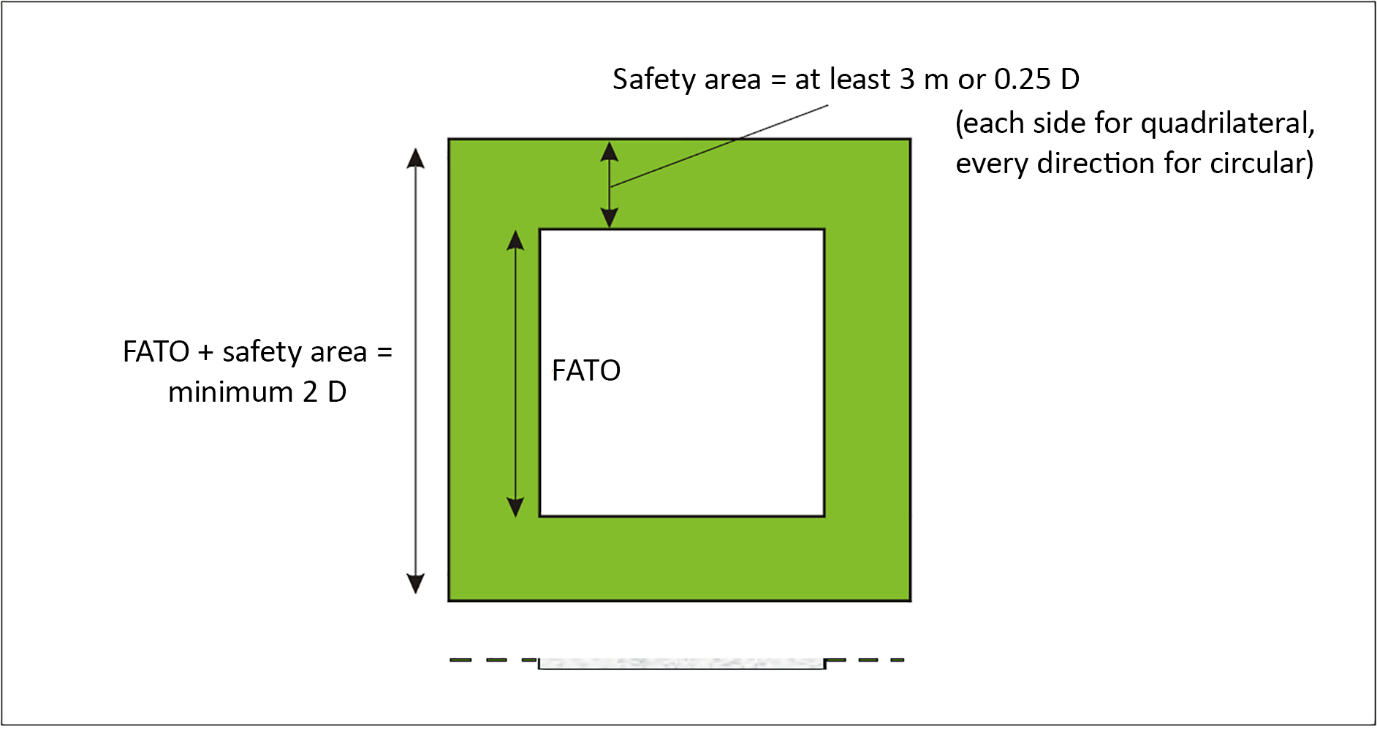 Figure B-1. FATO and associated safety area
#### CS HPT-DSN.B.130 Safety areas *ED Decision 2019/012/R* (a) General: A FATO should be surrounded by a safety area which need not be solid. (b) Characteristics: (1) A safety area surrounding a FATO should extend outwards from the periphery of the FATO for a distance of at least 3 m or 0.25 D, whichever is greater, of the largest helicopter the FATO is intended to serve and: (i) each external side of the safety area should be at least 2 D where the FATO is quadrilateral (see Figure B-1); or (ii) the outer diameter of the safety area should be at least 2 D where the FATO is circular. (2) The surface of the safety area should be treated to prevent flying debris caused by rotor downwash. (3) When solid, the surface of the safety area abutting the FATO should be continuous with the FATO. (4) When solid, the surface of a safety area should not project above a plane having an upward slope of 4 per cent, commencing at the periphery of the FATO. (5) From the outer edge of the safety area to a distance of 10 m there should be a protected side slope rising at 45 degrees. (6) The protected side slope should not be penetrated by obstacles, except that when obstacles are located to one side of the FATO only, they may be permitted to penetrate the side slope surface. (7) No mobile object should be permitted on a safety area during helicopter operations. (8) No fixed object should be permitted above the plane of the FATO on a safety area, except for frangible objects which, because of their function, must be located on the area. (9) Objects whose function requires them to be located on the safety area should not: (i) if located at a distance of less than 0.75 D from the centre of the FATO, penetrate a plane at a height of 5 cm above the plane of the FATO; and (ii) if located at a distance of 0.75 D or more from the centre of the FATO, penetrate a plane originating at a height of 25 cm above the plane of the FATO and sloping upwards and outwards at a gradient of 5 per cent. 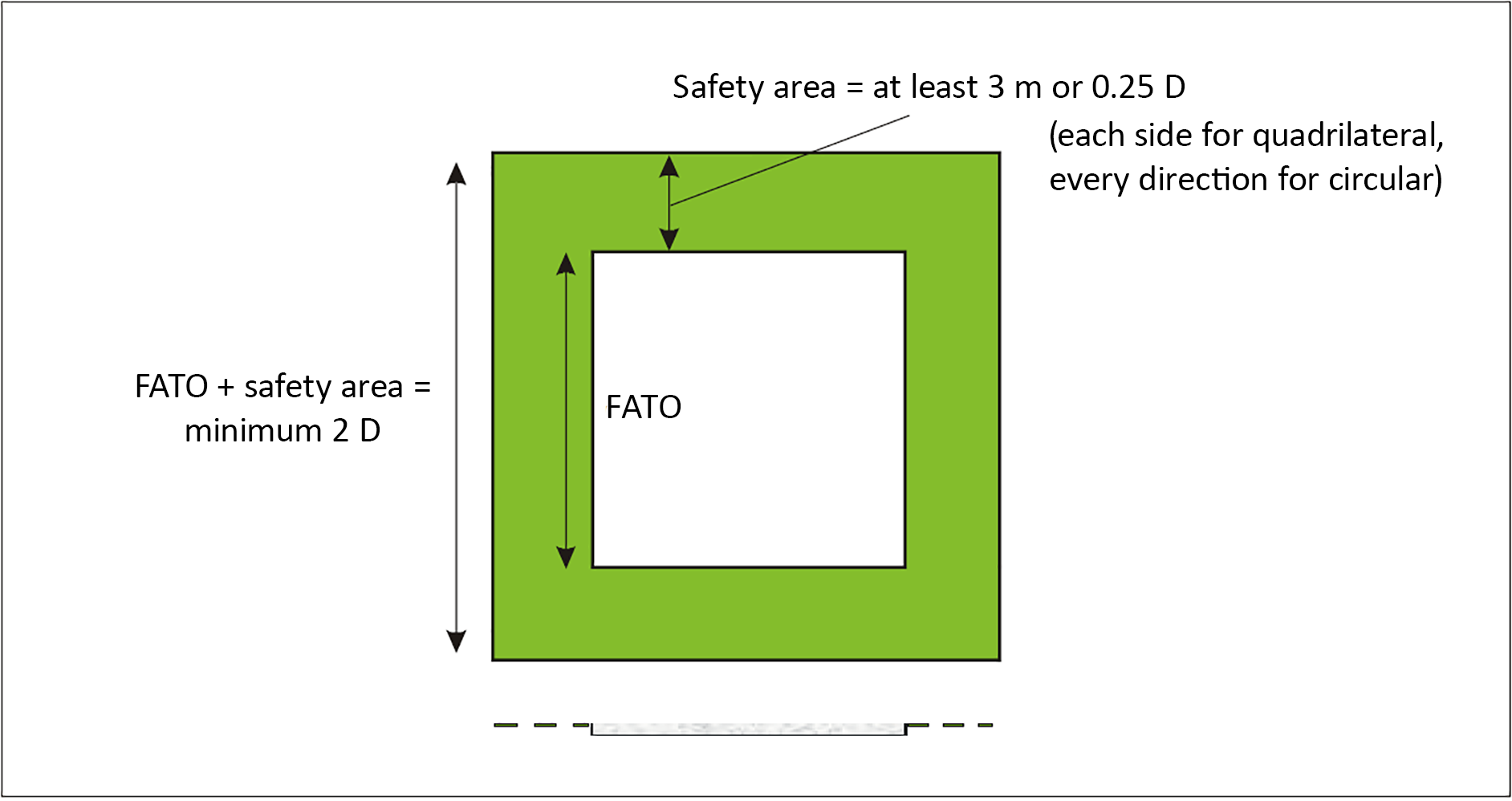 ***Figure B-1. FATO and associated safety area***