Light
Dark
System
Log In
Loading...
Compare / EASA/
Incorporated Amendments
/
Compare & Highlight Differences
Appendix A - Example of Calculation for Fuel-to-Air Ratio
Available versions for ERULES-1963177438-10266
ED Decision 2018/005/R
found in: CS-25 Amdt 27 - Large Aeroplanes (Jan 2023)
Version
CS-25 Amdt 27 - La... (Jan 2023)
Section
Share
Version
Show details
Hide details
Version
Appendix A – Example of Calculation for Fuel-to-Air Ratio ED Decision 2018/005/R Table A-1. Combustion Properties of Hexane <table border="1" cellpadding="0" cellspacing="0" width="608"><tr><td valign="top" width="381"><p><b>Property</b></p></td><td valign="top" width="227"><p><b>Value</b></p></td></tr><tr><td valign="top" width="381"><p>Heat of combustion, BTU/lb.</p></td><td valign="top" width="227"><p>19 200</p></td></tr><tr><td valign="top" width="381"><p>Molecular weight</p></td><td valign="top" width="227"><p>86.17</p></td></tr><tr><td valign="top" width="381"><p>Limits of inflammability in air (% by volume) per cent:</p><p>Lower</p><p>Upper</p></td><td valign="top" width="227"><p>1.2</p><p>7.4</p></td></tr><tr><td valign="top" width="381"><p>Flash point</p></td><td valign="top" width="227"><p>– 22 °C/– 7 °F</p></td></tr><tr><td valign="top" width="381"><p>Boiling point</p></td><td valign="top" width="227"><p>69 °C/156 °F</p></td></tr><tr><td valign="top" width="381"><p>Auto-ignition temperature (AIT)</p></td><td valign="top" width="227"><p>223 °C/433 °F</p></td></tr><tr><td valign="top" width="381"><p>Vapour pressure at 21 °C/70 °F (Pa/psia)</p></td><td valign="top" width="227"><p>17 237/2.5</p></td></tr></table> Note: The equation for the combustion of hexane and oxygen is written as: 2 C6 H14 + 19 O2 = 14 H2O + 12 CO2 For every 2 moles of hexane consumed, 19 moles of oxygen are required for complete combustion with no residual oxygen. Thus, 172.34 g of hexane require 19 × 32.00 = 608 g of oxygen or 2 627.48 g of air, which is 23.14 per cent by weight oxygen. Hence, the ratio of the weight of air to the weight of hexane required for stoichiometric burning (i.e. complete combustion of hexane with no excess oxygen) is 15.24. A 1.15 fraction of stoichiometric mixture of air and hexane has an air-to-fuel weight ratio of: 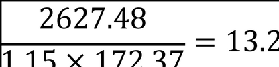 Table A-2. Fuel-to-Air Mixtures for Flame Arrestor Tests <table border="1" cellpadding="0" cellspacing="0" width="607"><tr><td width="219"><p><b>Condition</b></p></td><td valign="top" width="86"><p><b>JP-4 Per cent by Volume</b></p></td><td valign="top" width="89"><p><b>JP-4 Fuel-Air Mass Ratio</b></p></td><td valign="top" width="106"><p><b>Hexane Per cent by Volume</b></p></td><td valign="top" width="106"><p><b>Hexane Fuel-Air Mass Ratio</b></p></td></tr><tr><td valign="top" width="219"><p>Lean limit</p></td><td valign="top" width="86"><p>0.90</p></td><td valign="top" width="89"><p>0.035</p></td><td valign="top" width="106"><p>1.3</p></td><td valign="top" width="106"><p>0.04</p></td></tr><tr><td valign="top" width="219"><p>Between lean limit and stoichiometric</p></td><td valign="top" width="86"><p>1.10</p></td><td valign="top" width="89"><p>0.045</p></td><td valign="top" width="106"><p>1.7</p></td><td valign="top" width="106"><p>0.05</p></td></tr><tr><td valign="top" width="219"><p>Stoichiometric</p></td><td valign="top" width="86"><p>1.58</p></td><td valign="top" width="89"><p>0.065</p></td><td valign="top" width="106"><p>2.2</p></td><td valign="top" width="106"><p>0.0658</p></td></tr><tr><td valign="top" width="219"><p>1.15 Stoichiometric</p></td><td valign="top" width="86"><p>1.82</p></td><td valign="top" width="89"><p>0.074</p></td><td valign="top" width="106"><p>2.5</p></td><td valign="top" width="106"><p>0.07567</p></td></tr><tr><td valign="top" width="219"><p>Between stoichiometric and rich limit</p></td><td valign="top" width="86"><p>3.0</p></td><td valign="top" width="89"><p>0.15</p></td><td valign="top" width="106"><p>6.3</p></td><td valign="top" width="106"><p>0.2</p></td></tr><tr><td valign="top" width="219"><p>Rich limit</p></td><td valign="top" width="86"><p>6.16</p></td><td valign="top" width="89"><p>0.23</p></td><td valign="top" width="106"><p>8.0</p></td><td valign="top" width="106"><p>0.26</p></td></tr></table> Table A-3. Combustion Properties of Propane <table border="1" cellpadding="0" cellspacing="0" width="607"><tr><td valign="top" width="380"><p><b>Property</b></p></td><td valign="top" width="227"><p><b>Value</b></p></td></tr><tr><td valign="top" width="380"><p>Heat of combustion (298 °K), kcal/g-mole</p></td><td valign="top" width="227"><p>530.6</p></td></tr><tr><td valign="top" width="380"><p>Flammability limits in air (% by volume), per cent:</p><p>Lower</p><p>Upper</p></td><td valign="top" width="227"><p>2.2</p><p>9.5</p></td></tr><tr><td valign="top" width="380"><p>Flame temperature (stoichiometric in air, STP)</p></td><td valign="top" width="227"><p>1 925 °C/3 497 °F</p></td></tr><tr><td valign="top" width="380"><p>Quenching diameter,* cm/in</p></td><td valign="top" width="227"><p>0.28/0.11</p></td></tr><tr><td valign="top" width="380"><p>Minimum spark ignition energy,* millijoules</p></td><td valign="top" width="227"><p>0.027</p></td></tr><tr><td valign="top" width="380"><p>Critical velocity gradient for flashback,* sec-1</p></td><td valign="top" width="227"><p>600</p></td></tr><tr><td valign="top" width="380"><p>Laminar flame speed,* cm-sec</p></td><td valign="top" width="227"><p>40</p></td></tr></table> \*Applicable to 1.1 stoichiometric propane-to-air at standard temperature and pressure (STP). Note: The equation for the combustion of propane and oxygen is written as: C3H8+ 5 O2 = 4 H2O + 3 CO2 For every mole of propane consumed, 5 moles of oxygen are required for complete combustion with no residual oxygen. Thus, 44.09 g of propane require 5 × 32.00 = 160 g of oxygen or 691.44 g of air, which is 23.14 per cent by weight oxygen. Hence, the weight of air to weight of propane required for stoichiometric burning (i.e. complete combustion of propane with no excess oxygen) is 15.7. A 1.15 fraction of stoichiometric mixture of air and propane has an air-to-fuel weight ratio of: 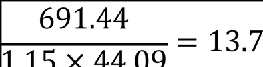 Figure A-1. Fuel Tank Vent Flame Arrestor Test Schematic 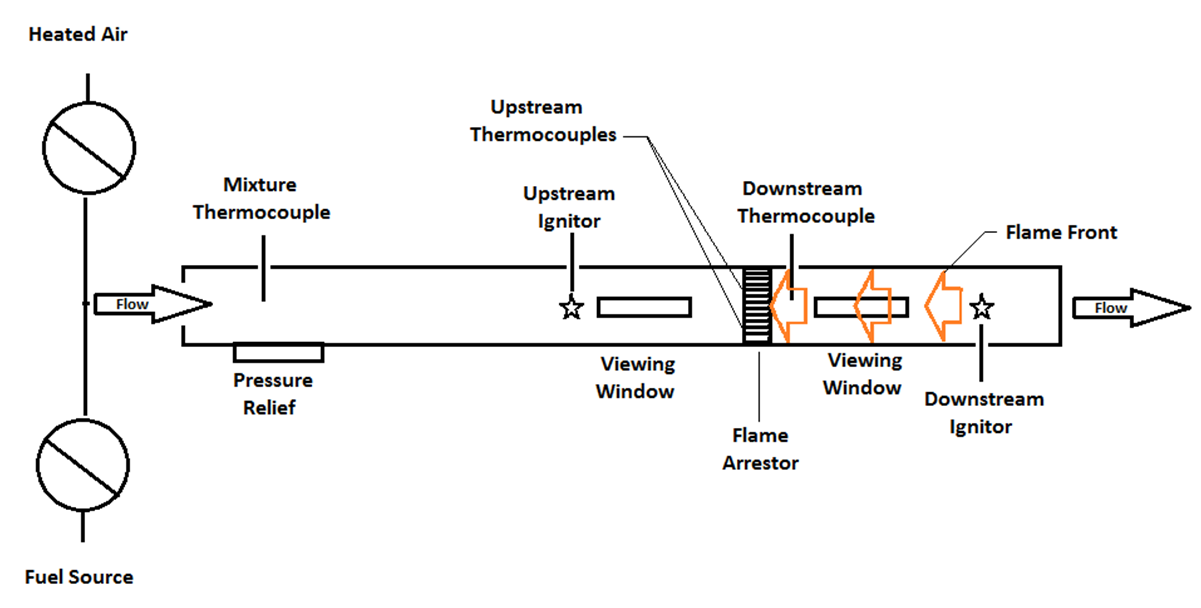 Figure A-2. Flame Arrestor Surface Temperature at Various Flow Rates and Stoichiometric Mixture Ratios\* 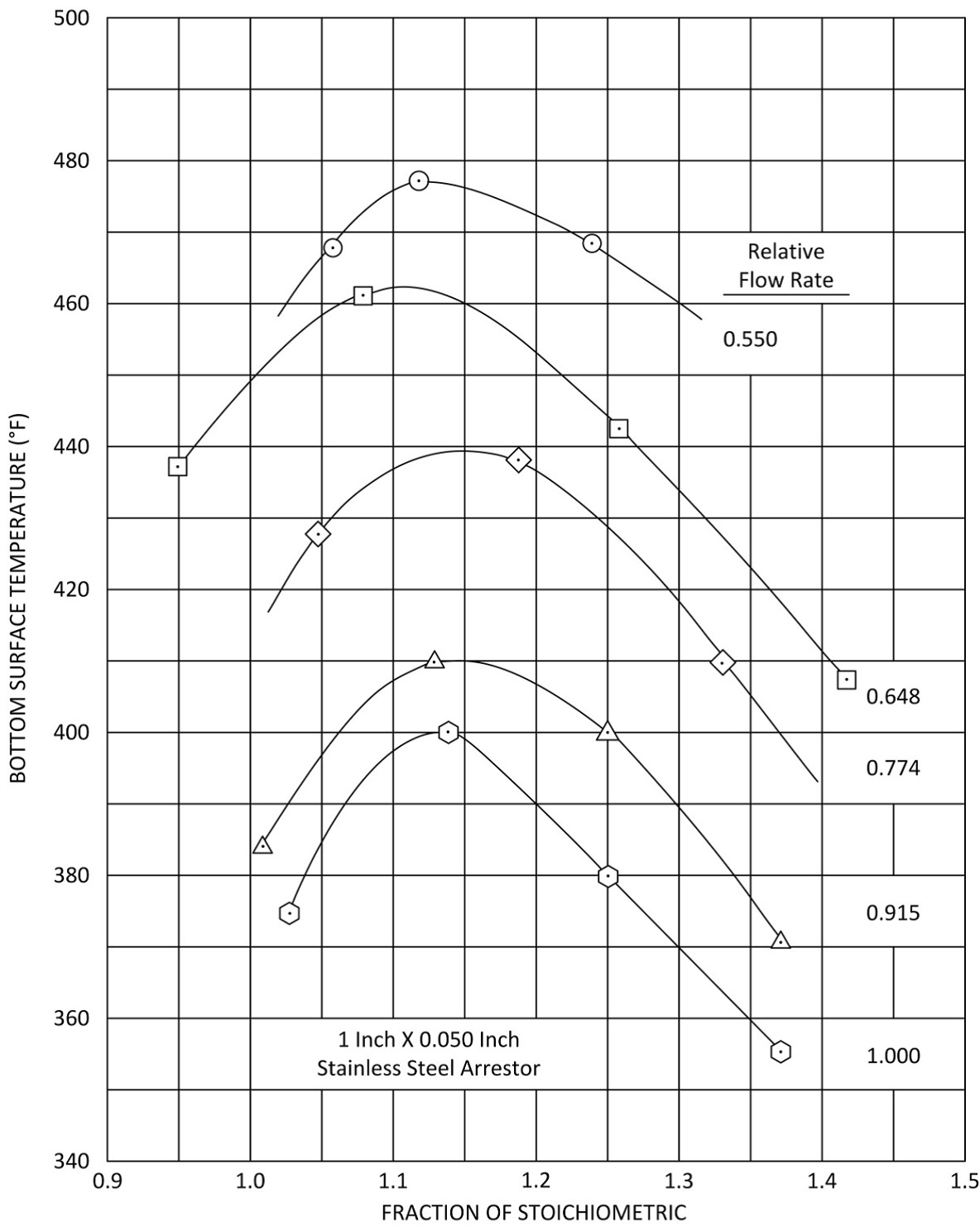 \* FAA Technical Report ADS-18, Lightning Protection Measures for Aircraft Fuel Systems (see paragraph 2.2 of this AMC). [Amdt 25/21]