GM3 Article 18(f) Tasks
of the competent authorities
ED Decision 2022/022/R
COORDINATION MECHANISM — PROCESS
The coordination mechanism is considered a high-level framework (see Figure 1) for managing the coordination and alignment activities throughout the life cycle phases of the U-space deployment. The following topics may be considered during its definition and establishment:
(a) The coordination mechanism could facilitate and safeguard the collection of views, concerns and risks expressed by interested and potentially impacted public and private bodies and wider stakeholders in relation to the deployment of the U-space, but also to respectively consider, address and mitigate them, as required.
(b) The coordination mechanism could deal with topics beyond the safety, security and performance of aviation-related activities, which are typically managed at national level, by encompassing and addressing the relevant requirements and constraints (e.g. with regard to the environment and the society) imposed by regional and local authorities at different time horizons of the U-space deployment.
In other words, the aim of the coordination mechanism is that the designated and deployed U‑space airspace fits the regional and local well-being needs, local traffic infrastructure and complements it (e.g. without hindering other traffic users such as pedestrians, cyclists, and means of public transport).
(c) The coordination mechanism could generate a ‘result’ in getting the ‘green’, or ‘red’, light, which is a decision made by the Member States based on the final recommendation of the designated competent authorities, which is based on the recommendations of the U-space coordinators. The recommendation of the latter represents harmonisation with local and regional authorities and other entities (public and private) for the short- and long-term U-space deployment.
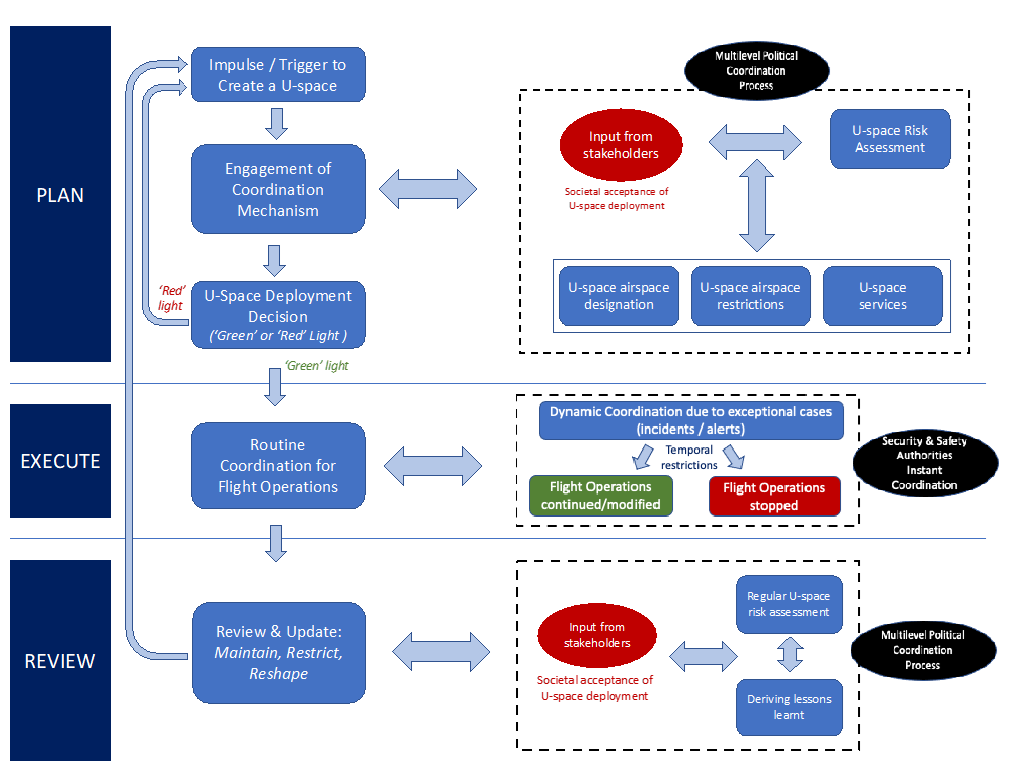
Figure 1: Overview of the main tasks that require coordination among
stakeholders across the different levels of governance, and of the activities
for the planning, execution
and review phase of the U-space deployment