Appendix III — Examples of aviation services and interfaces
ED Decision 2025/014/R
AVIATION SERVICES
The following is a non-exhaustive and non-complete list of aviation services that can be used as a basis to identify the scope of the risk assessment for the organisation.
— aerodrome & ATM-MET service providers
— aeronautical digital mapping services
— aeronautical information management (AIM) – external, national, regional
— airports
— air traffic control (ATC) – external, superior
— air traffic management (ATM)
— approach (APP) & area control (ACC) Services – ER ACC, APP ACC
— cargo and passenger loading
— civil & state airspace user (AU) operations centres
— communication infrastructure
— flight information services / traffic information services (FIS/TIS) data integrator
— fuel calculation
— navigation infrastructure – ground-based, satellite-based
— non-ATM meteorological (MET) service providers
— mass & balance calculation
— non-aviation users (external)
— regional & sub-regional airspace management (ASM) and air traffic flow & capacity management (ATFCM)
— static aeronautical data services
— sub-regional demand & capacity balancing (DCB) common service providers
— surveillance infrastructure – airport, en-route, terminal manoeuvring area (TMA)
— route planning
— time reference services (external)
— tower (TWR) services
INTERFACES
Below are some examples of data exchange at the interfaces between organisations interacting in different functional chains, which can be used as a basis for identifying the scope of the risk assessment for the organisation.
Note 1: These examples are graphical representations based on the ‘Examples of ecosystem data exchange’ provided in EUROCAE ED-201A, Appendix B - Tables B-14, which can be consulted for further information.
Note 2: Although it is not an organisation, an aircraft has been included in all these examples for the sake of completeness of the description of the data exchange. The aircraft should be considered as an element within the scope of the ISMS of the organisation to which it belongs (typically the airline). Any data exchange between aircraft and other systems within the organisation should take into account existing security measures that may have been evaluated as part of aircraft certification (see also GM1 IS.D.OR.205(c)).
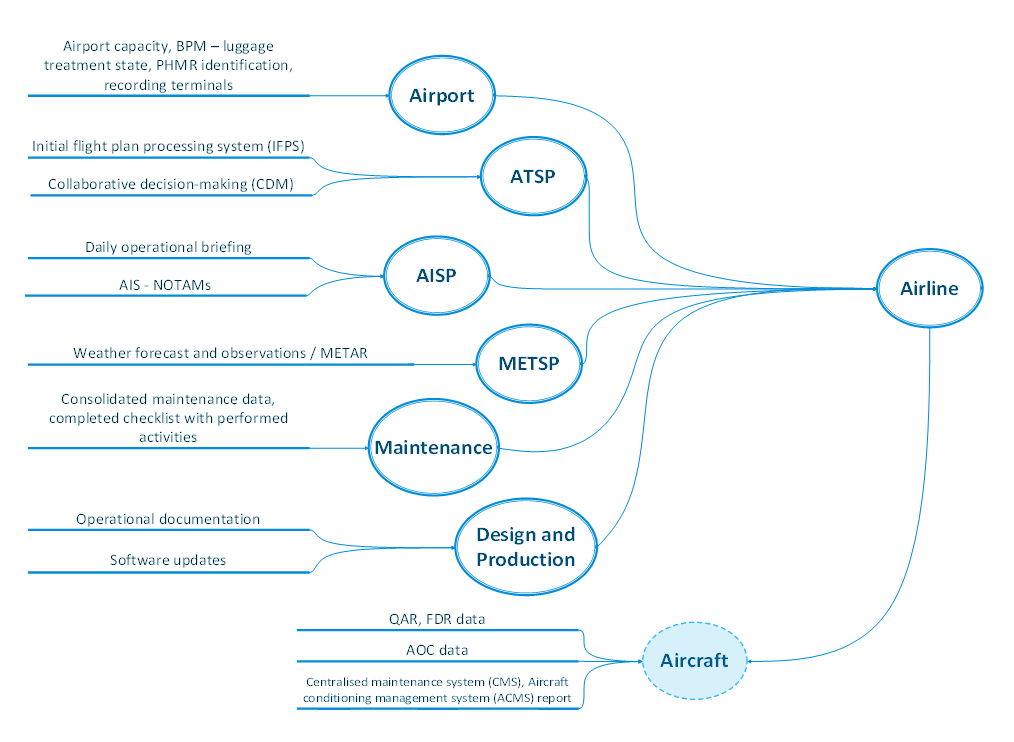
Figure 1: Interfaces of other organisations with an airline operator
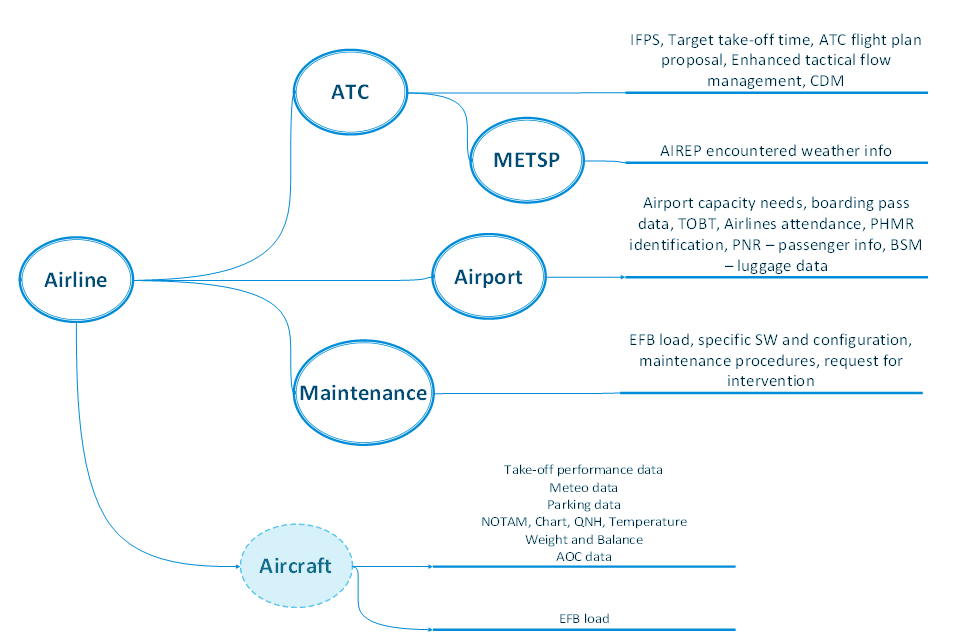
Figure 2: Interfaces of an airline operator with other organisations
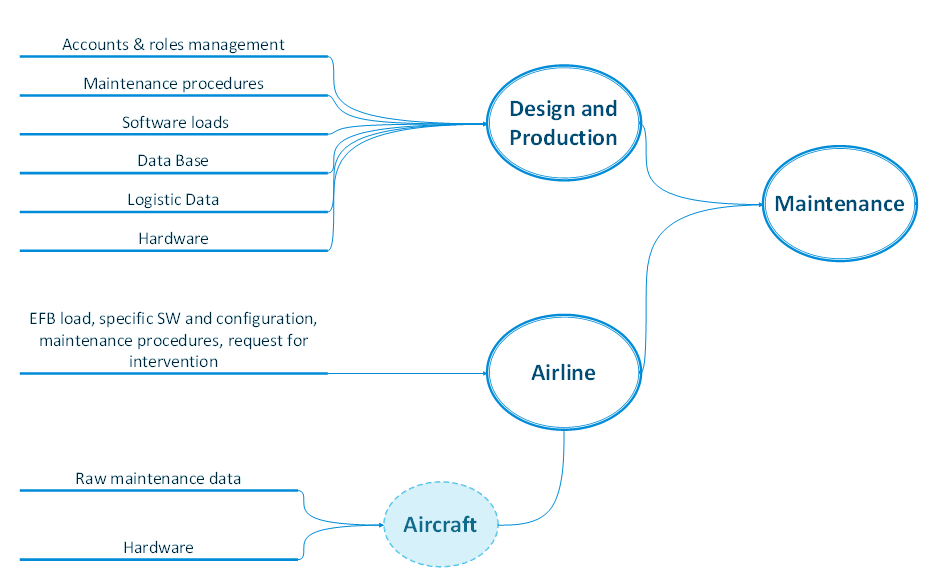
Figure 3: Interfaces of other organisations with a maintenance service provider
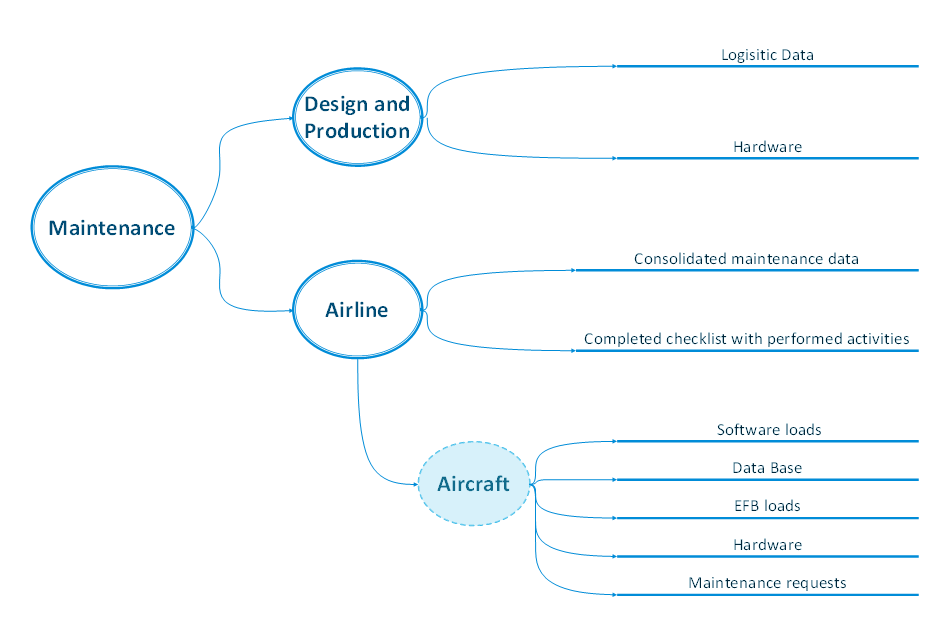
Figure 4: Interfaces of a maintenance service provider with other organisations