Appendix 2 to ETSO-2C517 – Distances Required for the Deceleration of the Automatic Deployable Package
ED Decision 2020/011/R
This Appendix defines the minimum acceptable performance for the deceleration of the automatic deployable package. The objective is to ensure that the collision of the automatic deployable package with the ground will not damage the crash-protected recording medium in two cases that are typical of an accident trajectory. For those cases, the applicant will perform the following tasks:
1. consider the tested impact speed used in the impact shock test (Section 3-3.2.1) Vimpact;
2. determine the distance Dcaptive that is required for the automatic deployable package to be released;
3. determine the distance Dreleased that the automatic deployable package needs to decelerate to the tested impact speed once released; and
4. compare the total distance DDecelerate (distance needed for the deployable package to be released and decelerated by drag forces so that its speed is less than the tested impact speed) with a maximum value Dmax defined in Table 3.
Note: The applicant may increase the tested impact speed Vimpact to reduce DDecelerate.
The initial release position, attitude and speed of the automatic deployable package are determined by the platform attitude and speed vector as defined in Table 3 and Figure 1 below and by the orientation of the ADFR relative to the platform. They shall account for any initial speed increment or accelerations that may be provided by the deployment mechanism.
If the ADFR manufacturer does not limit the installation of the ADFR to only one deployment direction relative to the platform (e.g. deployment in the direction of axis z or direction of y axis), the deployment direction resulting in the highest impact speed shall be considered, or cases shall be added to cover the permitted direction domain.
The impact surface is the plane defined by the following conditions:
— its normal vector is specified in table 3 of this ETSO; and
— the component of the automatic deployable package speed along this normal vector is equal to the speed value Vimpact used for the impact shock test of the crash-protected recording medium (Section 3‑3.2.1).
The distance Dcaptive is the distance covered by the platform from the positive indication of a crash until the deployable package is released (3-1.7 f.).
The distance Dreleased is the distance between the initial release position and the impact surface.
The distance DDecelerate is equal to DDecelerate = Dcaptive + Dreleased.
Deceleration requirements
For each deployment case specified in Table 3 of this ETSO, the distance DDecelerate shall be less than the maximum distance Dmax.
Note: This condition is used to determine whether recorded data is likely to be retained by the crash‑protected recording medium after a collision with terrain, when the ADFR system is installed on a large aeroplane.
Deployment case |
Release platform attitude |
Release platform speed vector |
Impact surface - Normal vector
|
Maximum distance to reduce the speed component along the normal vector to the tested impact speed value (Dmax) |
||||||
Pitch |
Roll |
Yaw |
Vx |
Vy |
Vz |
x |
y |
z |
|
|
° |
m/s |
|
m |
|||||||
Case 1 |
0 |
0 |
0 |
150 |
0 |
0 |
-1 |
0 |
0 |
70 |
Case 2 |
15 |
0 |
0 |
0 |
0 |
-50 |
0 |
0 |
1 |
20 |
Table 3: Deployment cases to be considered
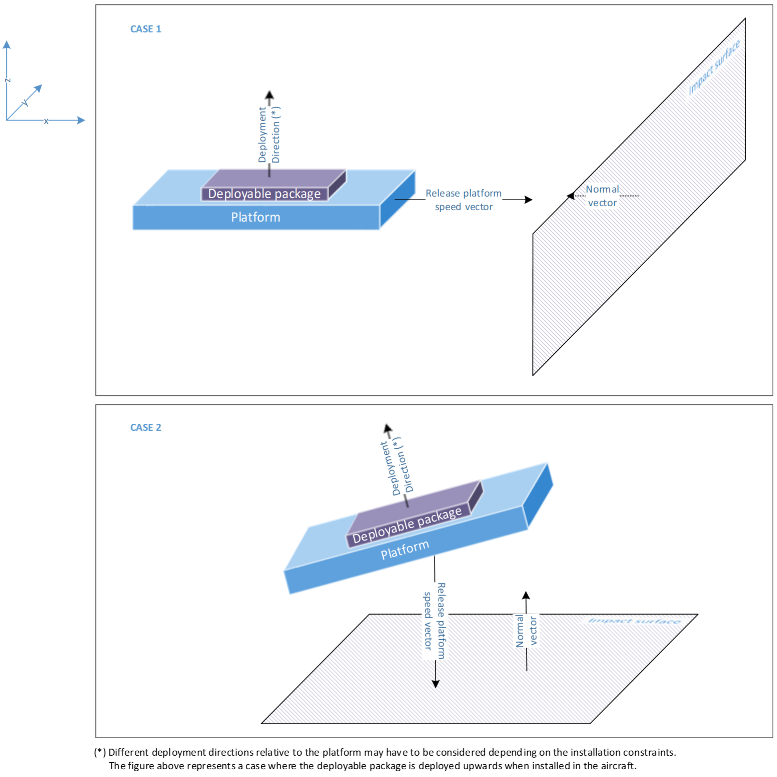
Figure 1: Deployment cases to be considered
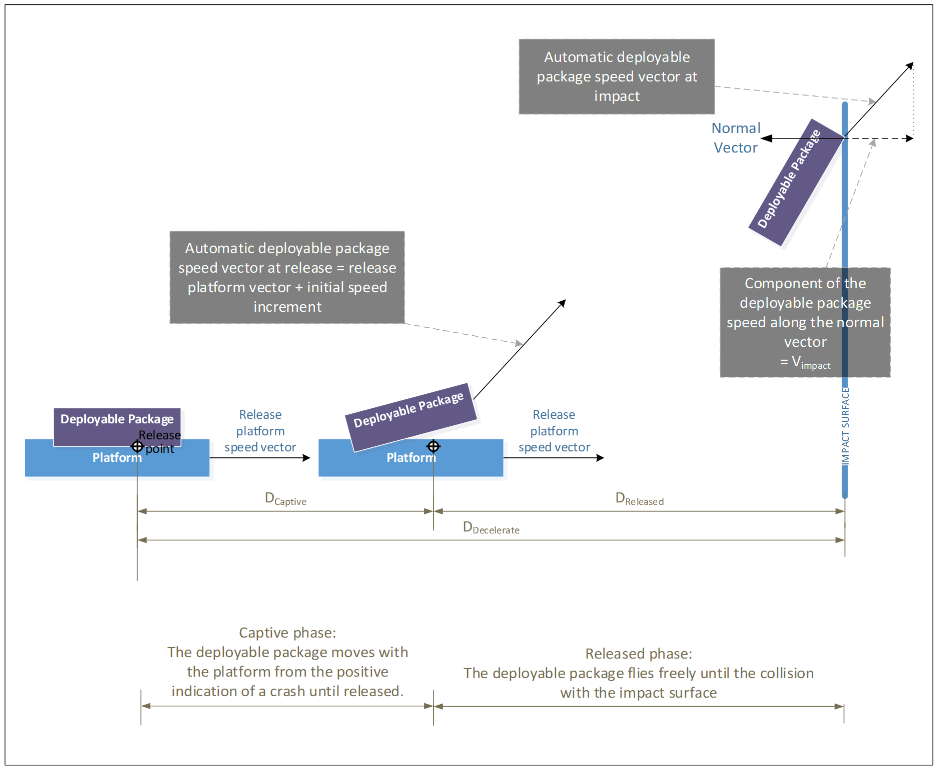
Figure 2: Sequence of the automatic deployable package release
[Amdt ETSO/16]