GM1
ATM/ANS.AR.C.035(c) Decision to review a notified change to the functional
system
ED Decision 2017/001/R
(a) Some changes may not necessarily need to be reviewed providing that, even though they relate to safety, they can be considered as routine by the provider as they have been consistently assessed, implemented and proved safe in the past and, therefore, the competent authority has sufficient confidence that the provider will address them in a similar manner.
(b) The selection criterion for review may deviate from a simple threshold on the scalar risk metric (distance from the origin), to deal with concerns due to the coarse grain and high uncertainty of the inputs. For instance, a separate threshold on the ‘severity’ axis may be used to specify, for instance:
(1) that changes with very high potential severity should always be reviewed, irrespective of the probability of the safety argument being incomplete and/or incorrect (Figure below). This criterion may well respond to common perceptions and could be justified by the fact that judgements of low probabilities based on limited information are often unreliable, and errors in the judgment of risk are proportional to the error on probability and the size of the loss; and
(2) that changes with minor potential severity need not be reviewed, irrespective of the probability of the safety argument being incomplete and/or incorrect (Figure below) (though the process may retain the option for the competent authority to review the change, since the estimate itself of potential severity may be suspected of being erroneous).
(c) It is also possible that deviations be required on the basis of some of the component factors that affect either probability or severity, e.g. exempting changes based on small size of change and high competence of the air traffic services provider.
(d) In order to validate the process or provide data for the evolution of the process, it may be advisable to randomly select changes to review and then assess whether the safety argument is complete and/or correct or not and whether or not the case would have been selected for review using the current criteria for the selection process.
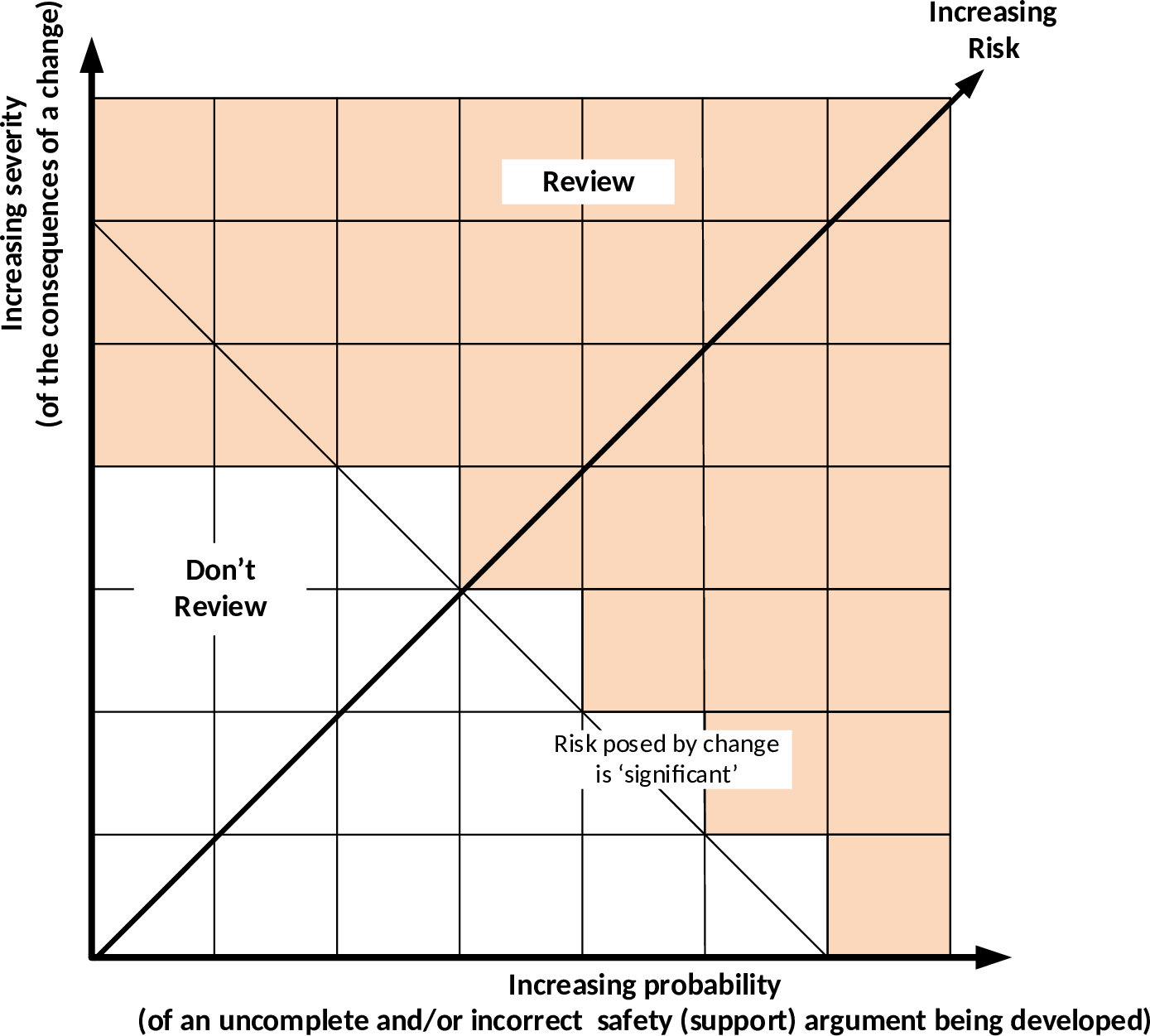
Figure 1: Criteria that may be used when severity is high
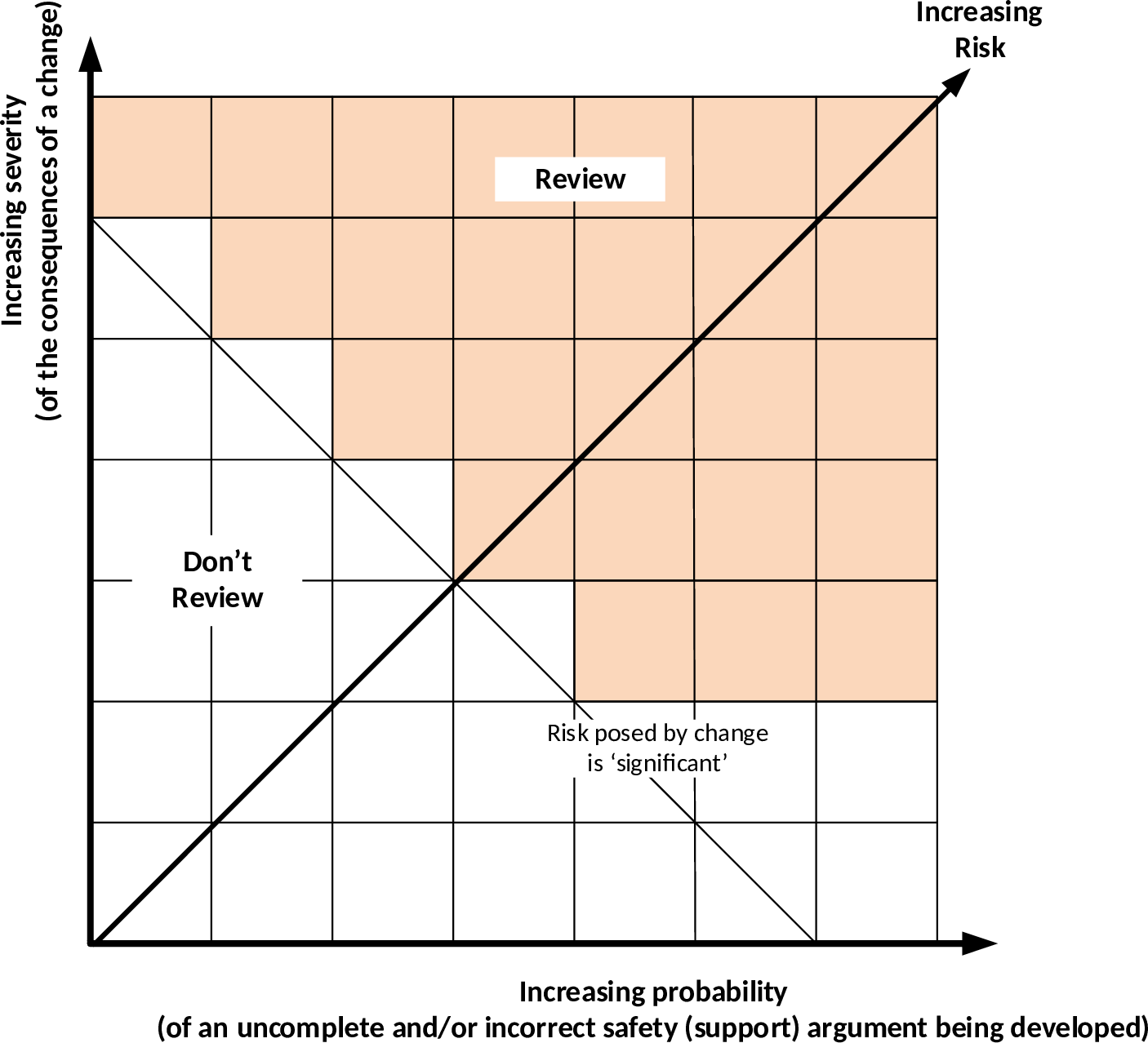
Figure 2: Criteria that may be used when severity is low