
AviationBot
Navigate / EASA / CS E AMDT 5 / SUBPART E - TURBINE ENGINES: TYPE SUBSTANTIATION / CS-E 620 Performance Correction /

AMC E 620 Performance: Formulae

EASA engine performance regulations require specific corrections to observed test data for pressure, temperature, rotational speed, thrust, airflow, fuel flow, and power. These adjustments standardize results to atmospheric conditions, accounting for engine control system characteristics and Reynolds number effects. Standardized notation and suffixes are defined for consistent data interpretation.

Frequently Asked Questions

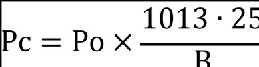
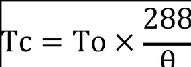
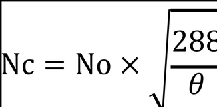
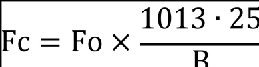
The suffix 'o' denotes an observed result, corrected for instrument temperature and scale errors only.

* Aviation.Bot's Suggestion - Always consult the original regulation for confirmation

'N' represents Rotational speed, 'F' represents Thrust, 'W' represents Mass air flow, and 'w' represents Fuel flow.

* Aviation.Bot's Suggestion - Always consult the original regulation for confirmation

The suffix 'c' denotes a result corrected to the standard atmospheric pressure and temperature conditions of CS-E 620.

* Aviation.Bot's Suggestion - Always consult the original regulation for confirmation

Corrections from observed test conditions to assumed atmospheric conditions of pressure and temperature should be used, considering the Engine Control System characteristics and Reynolds Number effects, unless more accurate corrections are agreed upon.

* Aviation.Bot's Suggestion - Always consult the original regulation for confirmation

'B' stands for Barometric pressure in the test chamber, 'θ' stands for Observed intake temperature, 'P' stands for Pressure, and 'T' stands for Temperature.

* Aviation.Bot's Suggestion - Always consult the original regulation for confirmation

EASA Logo

AMC E 620  Performance: Formulae

ED Decision 2007/015/R

(1)     The following corrections from the observed test conditions to the assumed atmospheric conditions of pressure and temperature should be used within the range of conditions appropriate to the particular type of Engine, i.e. taking into account the characteristics of the Engine Control System, and the possible effect of Reynolds Number, unless more accurate or additional corrections for a particular type of Engine have been agreed or required by the Agency.

Gas Pressures

S.I. Units
 

Gas Temperatures
 

Rotational Speed
 

Thrust

S.I. Units
 

Mass Air Flow

S.I. Units
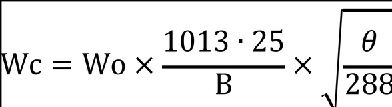
 

In cases where certain proprietary types of air flowmeter are employed, it should be noted that Wo is the actual air consumption of the Engine during test.

Fuel Flow

S.I. Units
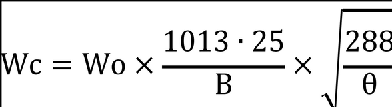
 

Power

S.I. Units
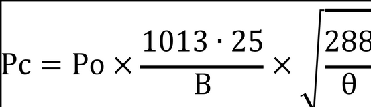
 

(2)     Notation

B

=

Barometric pressure in test chamber

hPa

θ

=

Observed intake temperature, corrected for instrument temperature and scale errors only

K

P

=

Pressure

hPa

T

=

Temperature

K

N

=

Rotational speed

rpm

F

=

Thrust

kN

W

=

Mass air flow

kg/s

w

=

Fuel flow

kg/h

P

=

Power

kW


(3)     Suffixes

Suffix ‘o’ denotes an observed result, corrected for instrument temperature and scale errors only. Suffix ‘c’ denotes a result corrected to the standard atmospheric pressure and temperature conditions of CS-E 620.

[Amdt. No.: E/1]

AI for Aviation Professionals

Aviation.Bot is an AI tool that assists you with aviation compliance.